Backyard camping sounds simple enough until you remember one very important thing: someone has to set up the tent.
And if you’re planning a backyard campout with kids, a summer camp weekend at home, or a first family camping experience, you probably do not want to spend the afternoon wrestling with poles, instructions, clips, or a complicated rainfly.
That’s where a list of easy setup tents for backyard camping can make all the difference.
This guide is not for serious backpackers, extreme-weather campers, or people who know the difference between every tent stake ever manufactured.
This guide is for the rest of us who want a tent that works for a backyard campout, a kid sleepover, or a “let’s try camping without fully becoming camping people” moment.
The goal is simple: find a tent that’s easy to set up, comfortable, reasonably durable, and not so expensive that you feel personally betrayed if everyone ditches the tent for the house before midnight.

Disclosure: This post contains affiliate links. As an Amazon Associate, I earn from qualifying purchases at no extra cost to you.
What to Look for in a Backyard Camping Tent
When you’re buying a tent for backyard camping or casual family campouts, your priorities are a little different from someone hiking into the wilderness.
You’re probably not counting how many ounces it weighs. You’re counting how many children, pillows, flashlights, stuffed animals, water bottles, and shoes it can fit.
For a backyard campout tent, look for these features:
- Easy setup: Instant tents, pop-up tents, or tents with pre-attached poles are your friend.
- Enough space: Size up if you can. A “4-person tent” may technically fit four people, but that does not mean four people will be comfortable. Think 2 people=comfortable in a 4-person tent, or 4 people=comfortable in a 6-person tent.
- Good headroom: Cabin-style tents are usually easier for families because they feel more open inside.
- Ventilation: Mesh windows, roof vents, and ground vents help keep the tent from turning into a nylon sauna.
- Weather protection: Even for backyard use, a rainfly and sealed seams are helpful.
- Simple storage: Look for a tent bag that’s not so tiny that packing it up feels like punishment.
- Durability: If kids will be climbing in and out all weekend, inexpensive-but-flimsy is not your friend.
- Comfort and looks: No, it does not have to be cute. But if it looks inviting, everyone will be more excited to use it.
1. Best Budget Backyard Tent: Ozark Trail 6-Person Instant Cabin Tent
If you are mostly planning backyard campouts, kid sleepovers, or a simple family “camp night” at home, a budget instant cabin tent can make a lot of sense.
The Ozark Trail 6-Person Instant Cabin Tent is appealing because it gives you family-size space without a high price tag. It’s also sold as an instant setup tent with pre-attached poles, which is exactly the kind of feature nervous tent-assemblers are looking for.

It’s not the tent I would buy if I were planning a week of camping in unpredictable mountain weather. But for backyard camp weekends? It works.
Quick Take
| Category | Rating |
| Price | Budget-friendly |
| Ease of setup | Very good |
| Durability | Good for casual use |
| Looks | Basic but practical |
| Best for | Backyard campouts and first-time family use |
Pros
- Usually more affordable than premium family tents
- Roomier than a small dome tent
- Instant setup style is beginner-friendly
- Good option for kids’ backyard sleepovers
- Often available through big-box retailers
Cons
- Not the most rugged option for serious camping
- Weather protection may be more limited than higher-end tents
- Bulkier than a small dome tent
Ideal For
Families who want an easy, affordable backyard camping tent without overcommitting to a full camping lifestyle.
2. Best Smaller Beginner Tent: Coleman Skydome 4-Person Tent
The Coleman Skydome 4-Person Tent is a good option if you don’t need a huge family tent and want something simple, recognizable, and relatively easy to manage.
Coleman’s Skydome has a quick setup in under five minutes and nearly vertical walls that give it more headroom than a traditional Coleman dome tent. That matters because a tent that feels too low and cramped can get old fast, especially if you’re helping kids settle sleeping bags, pillows, books, flashlights, and whatever stuffed animal could not be left behind.

A 4-person tent is not always comfortable for four actual people with gear, though. For backyard use, you can get away with a little less storage space because your house is right there. But if you plan to take it to a campground, size up if you can.
Quick Take
| Category | Rating |
| Price | Budget to mid-range |
| Ease of setup | Good |
| Durability | Good for casual camping |
| Looks | Classic dome tent |
| Best for | Smaller families and beginner campers |
Pros
- Recognizable, widely available brand
- Quick setup design
- Better headroom than many basic dome tents
- Good for smaller spaces
- Easier to store than a large cabin tent
Cons
- May feel tight for four people
- Less standing room than a cabin tent
- Not as roomy for sleepovers or larger families
Best For
Families who want a simple starter tent for backyard camping, occasional family campouts, or small-space use.
3. Best Easy Setup Family Tent: CORE 6-Person Instant Cabin Tent
The CORE 6-Person Instant Cabin Tent is probably the sweet spot for many families who want a tent that feels roomy but does not make setup feel like an emotional endurance test.
CORE describes this tent as having pre-attached poles and a setup time as short as 60 seconds. It also includes features like adjustable ventilation, weather-ready protection, an electrical port, and interior storage.

The cabin style is a big advantage for families because it feels more open inside. Kids can move around more easily, and adults do not have to crouch like they are entering a tiny nylon cave.
Quick Take
| Category | Rating |
| Price | Mid-range |
| Ease of setup | Excellent |
| Durability | Good for family camping |
| Looks | Clean cabin style |
| Best for | Families who want easy setup and room |
Pros
- Very beginner-friendly setup
- Roomy 6-person size
- Cabin shape feels more comfortable
- Good for backyard use and casual camping
- Interior storage helps keep small items contained
Cons
- More expensive than basic budget tents
- Larger packed size than a small dome tent
- Still may not be ideal for rough weather without extra coverage
Best For
Families who want an easy setup tent they can use more than once, without feeling like they accidentally enrolled in wilderness training.
4. Best Weather-Conscious Pick: CORE 6-Person Instant Cabin Tent with Full Rainfly
If you like the idea of the CORE instant cabin tent but want better weather coverage, the CORE 6-Person Instant Cabin Tent with Full Rainfly may be a better choice.
This is where you start moving from “backyard only” to “we might actually use this at a campground.” The full rainfly can provide more coverage than a smaller top rainfly, which matters if you think your tent may eventually face real rain, not just the backyard sprinkler.
This does not mean you should send the family out into a storm just to prove a point. But if you want a tent that feels a little more prepared for actual camping conditions, this kind of upgrade makes sense.

Quick Take
| Category | Rating |
| Price | Mid-range to higher |
| Ease of setup | Excellent |
| Durability | Better for repeat use |
| Looks | Practical cabin style |
| Best for | Families who may camp beyond the backyard |
Pros
- Easy instant setup
- Roomy family size
- More weather coverage than basic designs
- Good bridge between backyard camping and campground use
- Better long-term value if you will use it often
Cons
- Costs more than basic backyard options
- More tent than you need for one casual backyard night
- Still not a serious backcountry tent
5. Best Upgrade Tent for Families Who Might Camp Again: Gazelle T4 Hub Tent
The Gazelle T4 Hub Tent is more of an upgrade pick for families who think they might use their tent beyond the backyard. It is usually pricier than basic backyard tents, but hub-style tents are popular because they can be very fast and intuitive to set up.
What is a Hub tent? A hub tent features pre-attached poles that connect to a central hub, rather than separate poles that require you to thread through fabric sleeves in order to pitch the tent. Hub tents generally take less time and are easier to put up. (All of the tents in this article have pre-attached poles as the technology is common today; they’re just not called ‘hub tents’ like this one.)
This is the type of tent I would consider if your family might move from backyard campouts to actual campground weekends in the future. It’s not necessary for a simple backyard sleepover, but it can be a good investment if you want something sturdier and more polished.
I gave it an equally high rating to the last tent because it’s easy to pitch, but it’s offset by its higher price, yet is arguably the most durable of the bunch.
OutdoorGearLab’s family camping tent testing also supports the idea that more serious family tents can be worth it for comfort, durability, and repeated use, though they often cost more than casual backyard tents.

Quick Take
| Category | Rating |
| Price | Splurge |
| Ease of setup | Excellent |
| Durability | Stronger upgrade option |
| Looks | More polished and outdoorsy |
| Best for | Repeat family campers |
Pros
- Fast setup
- Sturdier feel than many budget tents
- Good for families who may camp more often
- More polished design
- Better long-term investment if used regularly
Cons
- Much more expensive than a basic backyard tent
- Overkill for a one-time backyard campout
- Heavier/bulkier than smaller tents
Price vs. Use: What Should You Actually Spend?
You don’t need to overspend on a tent if you’re only planning a backyard campout once or twice a year. But you also don’t want a tent that makes setup so annoying that you only use it once.
Here’s a good way to look at it:
| Price Level | Best For | What to Expect |
| Budget | Backyard campouts, kid sleepovers, first-time use | Basic features, casual durability |
| Mid-range | Repeat backyard use and casual family camping | Better space, easier setup, better comfort |
| Higher | Families who want to camp regularly | Better materials, more features, longer-term use |
| Serious camper level/Splurge | Frequent campground or rough-weather camping | More durable, more technical, higher cost |
How Big Should Your Backyard Camping Tent Be?
Here’s my most practical tip: size up whenever possible.
Tent capacity numbers are usually based on how many sleeping pads can technically fit inside. They’re not always based on real family life, which includes pillows, blankets, flashlights, books, shoes, water bottles, and someone’s favorite stuffed animal.
For backyard camping, you can get away with less storage space because the house is nearby. But comfort still matters.
A simple rule:
- 2-person tent: Best for one adult or two small kids.
- 4-person tent: Better for two adults, or one adult and two younger kids.
- 6-person tent: Good for a small family or several kids.
- 8-person tent: Better for larger families or kids plus friends.
If your kids are inviting friends over for a backyard camp weekend, a 6-person tent is often a better starting point than a 4-person tent.
No one ever says, “This tent is too roomy and comfortable.” But many people have said the opposite while trying to sleep next to someone’s knee.
Backyard Camping Tent Tips for Families
Before you hand the kids flashlights and declare the backyard a campground, do a little prep. Nothing major. Just enough to keep the night from becoming memorable for all the wrong reasons.
Practice setting up the tent first
Do not make the first setup happen in front of excited children, visiting friends, and a setting sun.
Check the weather
Even backyard camping can be ruined by surprise rain, wind, or heat. Have an indoor backup plan.
Use a tarp or footprint
A tarp under the tent can help protect the floor and add a little barrier between the tent and the ground.
Bring real pillows
Aim for comfortable.
Keep flashlights nearby
Every child should have a flashlight or lantern. This is partly practical and partly because flashlights make everything feel more official.
Have a bathroom plan
Make sure kids know how to get inside, where to go, and whether they need to wake an adult.
Keep shoes by the door
This helps avoid the “where are my shoes?” morning mystery.
Let kids bail if needed
Some kids love the idea of sleeping outside right up until it’s time to actually sleep outside, and that’s fine. The house is right there.
Dry the tent before storing it
Never pack away a wet tent for long-term storage unless you enjoy mildew and regret. Lay it out in the sun the next day or hang it over a clothesline to dry.
Final Thoughts: The Best Backyard Camping Tent Is the One You’ll Actually Use
The best tent for backyard camping is not necessarily the fanciest tent. It’s the one you can set up without drama, fit your family inside comfortably, and use more than once.
If you’re planning a simple backyard campout with kids, start with a budget-friendly or mid-range instant tent. If you want something for repeat family camping trips, consider upgrading to a sturdier tent with better weather coverage. And if you only need a tent for one summer camp weekend in the backyard, don’t overthink it.
Kids aren’t going to remember the tent model.
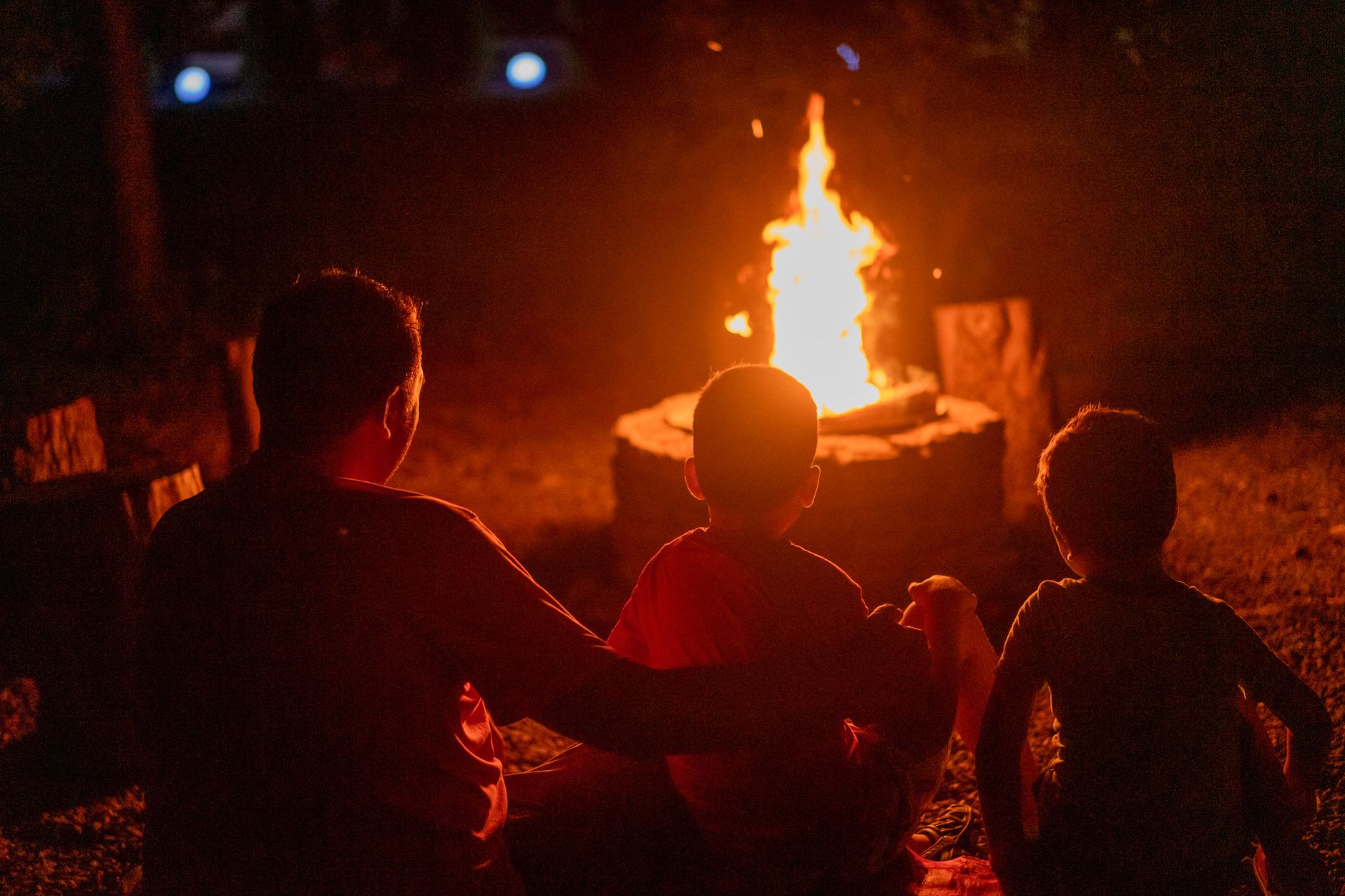
They’re going to remember telling stories with flashlights, eating s’mores, hearing night sounds, and waking up in a backyard that feels a little more adventurous than usual.
And if they make it all night outside? Congratulations. You have officially survived backyard camping.
If they come inside at midnight? Also, congratulations, because you still made a memory, and now everyone gets to sleep in actual beds.